
Valutato
Basato su
53,801+
53.8k
Recensioni
Download immediato
Garanzia di rimborso al 100%
Supporto 24 ore su 24, 7 giorni su 7
 Nintendo eShop
 Unione Europea
 Download digitale istantaneo



Valutato Eccellente

Basato su 53,801+ Recensioni
A reliable experience from purchase to activation. Consistently excellent.
Verified Buyer
Efficient purchase and prompt service—I’ve never been disappointed.
Verified Buyer
I've been a customer for 15 years. Unmatched service and reliable key delivery.
Verified Buyer
I received my PlayStation Plus key promptly, and the setup was effortless.
Verified Buyer
The ordering process was smooth and uncomplicated. Ideal for busy gamers.
Verified Buyer
Windows 11 Pro worked perfectly out of the box—reliable and trustworthy.
Verified Buyer
Download immediato
Garanzia di rimborso al 100%
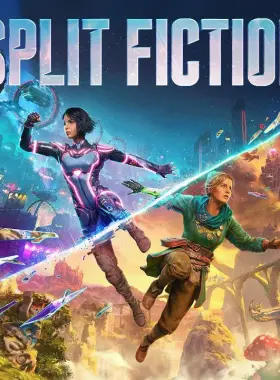
Chiave CD Split Fiction EU per Nintendo Switch 2
Nintendo eShop
Unione Europea
Download digitale istantaneo
A reliable experience from purchase to activation. Consistently excellent.
Verified Buyer
Efficient purchase and prompt service—I’ve never been disappointed.
Verified Buyer
I've been a customer for 15 years. Unmatched service and reliable key delivery.
Verified Buyer
I received my PlayStation Plus key promptly, and the setup was effortless.
Verified Buyer
The ordering process was smooth and uncomplicated. Ideal for busy gamers.
Verified Buyer
Windows 11 Pro worked perfectly out of the box—reliable and trustworthy.
Verified Buyer
La tua posizione non corrisponde alla regione di questo prodotto. Potrebbe non funzionare sul tuo account. Se desideri comunque procedere con l'acquisto, continua.
Vivi una strabiliante avventura cooperativa in Split Fiction! Goditi momenti strabilianti mentre ti immergi nei tanti mondi di Split Fiction, un'avventura d'azione cooperativa all'avanguardia dello studio dietro il vincitore del Game of the Year 2021, It Takes Two. Mio e Zoe sono scrittori contrastanti: uno scrive fantascienza e l'altro fantasy, che rimangono intrappolati nelle proprie storie dopo essere stati agganciati a una macchina progettata per rubare le loro idee creative. Dovranno fare affidamento l'uno sull'altro per liberarsi con i loro ricordi intatti, lavorando insieme per padroneggiare una varietà di abilità e superare diverse sfide mentre saltano tra mondi fantascientifici e fantasy in questa inaspettata storia di amicizia. Questa avventura a schermo diviso è pensata per due persone. Prova un gameplay cooperativo in cui dovrai coordinare le tue azioni e i tuoi tempi e lavorare insieme per superare le sfide. Invita un partner a unirsi a te gratuitamente, per giocare su più piattaforme, con il Friend's Pass *. Un minuto stai addomesticando adorabili draghi e quello dopo combatti nei panni di cyber ninja, scappando da terrificanti troll o schivando le auto volanti lanciate da un parcheggiatore robotico.
È strano, è selvaggio ed è progettato per essere condiviso.
SPECIFICHE MINIME
SPECIFICHE MINIME
Seleziona «Nintendo eShop» nel menu HOME per avviare il Nintendo eShop.
Seleziona l'account che desideri utilizzare.
Seleziona «Inserisci codice» sul lato sinistro dello schermo.
Inserisci il codice di download di 16 caratteri. Tutte le lettere e i simboli non utilizzati con i codici prepagati (ad esempio O, I, Z, virgole, trattini, ecc.) verranno disattivati dalla tastiera su schermo.
Seleziona «Invia» per confermare. Il download del gioco inizierà una volta confermato il codice. L'icona del gioco apparirà nel menu HOME, con una barra di stato del download. La barra di stato scomparirà una volta completato il download del gioco.
Sii il primo a recensire questo prodotto!



Receive 100% genuine software keys, backed by our Flawless Activation guarantee for complete peace of mind.
Your software key is delivered directly to your email inbox within seconds of completing your purchase. No waiting.
Our dedicated support team is available around the clock via live chat and email to assist with installation and activation.
Our 30-day money-back guarantee ensures a fast refund or replacement if your key is faulty or incompatible.
The price you see is the final price you pay. No hidden service fees or surprise charges at the checkout.
Earn valuable points with every purchase and redeem them for real discounts on future software.
A proven track record with thousands of verified, positive reviews from real customers across the globe.


Perché i nostri clienti ci amano
Valutato come eccellente
Saved a ton on Office 2021. Got my key immediately and it activated without a hitch. EF is the real deal!
by Verified Buyer
Bought a PS Plus membership, code in seconds. Had a minor issue, support resolved it fast. Very impressed!
by Verified Buyer
Doubted a deal this good, but a friend insisted. My Windows 10 Pro key arrived instantly and works perfectly.
by Verified Buyer
Bought Office 2021 at 2am and got my key immediately. I didn’t expect delivery at that hour. Outstanding!
by Verified Buyer
Overseas but still got my code instantly. Xbox Live Gold code redeemed with no region issues. Impressed!
by Verified Buyer
Got Windows 10 Pro & Office 2021 far cheaper than retail. Both keys arrived instantly and activated fine.
by Verified Buyer
Got a Steam game key cheap. Code came instantly, I was playing within minutes of purchase. Can’t beat that!
by Verified Buyer
Bought Windows 11 Pro dirt cheap. Key arrived instantly and activated without issues. Truly 100% legit!
by Verified Buyer
First purchase, was cautious. Fast delivery and legit PS Plus code won me over. I’ll be a repeat buyer.
by Verified Buyer
Bought an Amazon gift card at a discount. Code arrived in seconds and worked perfectly. A lifesaver!
by Verified Buyer
Bought an Xbox Game Pass code at an unbeatable price. Arrived in my email within seconds. Beyond satisfied!
by Verified Buyer
Windows 11 Pro key seemed too cheap. 80k+ reviews convinced me to try them. Code arrived instantly and worked.
by Verified Buyer
Guadagna un reddito extra e senza sforzo
unendoti al nostro Programma di affiliazione
Unisciti all'Esercito EF per ottenere vantaggi esclusivi per i membri

Convert coins into real savings at checkout!
Check Dashboard New here? Iscrizione & Track ProgressEarn EF Coins by completing tasks — build up your balance and turn them into wallet credit!

Diventa membro della comunità EF
Acquista un prodotto

Personalizza il tuo soprannome

Aggiungi immagine del profilo

Aggiungi un prodotto alla lista dei desideri

Preordina un prodotto
Acquista 10 prodotti
Acquista 20 prodotti

Membro da più di 6 mesi

Membro da più di un anno

Lascia una recensione
Every 10,000 EF Coins = $1 Credit
Condividere